








In modern digital signage applications, waterproofing and long-term stability are critical performance factors. An outdoor LED display factory must design systems that can withstand rain, humidity, dust, and temperature fluctuations. Therefore, manufacturers focus on structural protection, material selection, and thermal control to ensure consistent performance in harsh environments. In addition, stability is not only about waterproofing but also about maintaining signal reliability and brightness over time.
Structural Protection Design for Harsh Environments
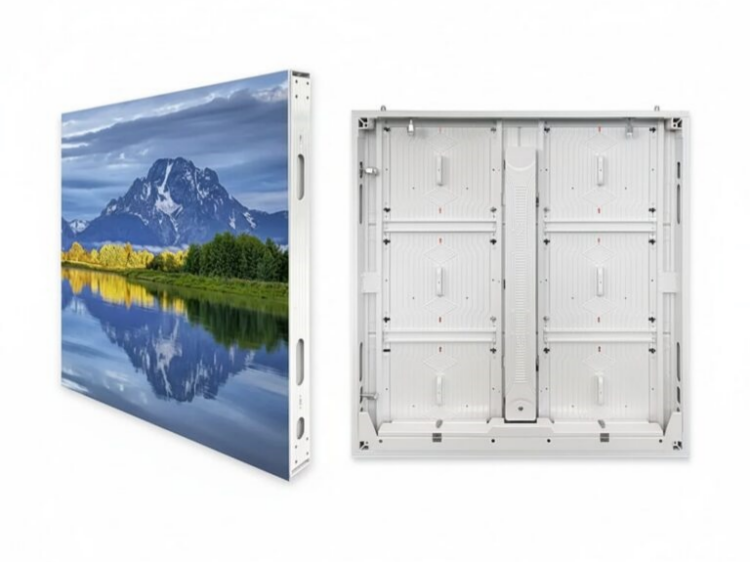
A professional outdoor LED display factory uses reinforced cabinet structures to improve environmental resistance. For example, aluminum materials are widely used because they resist corrosion and high temperatures. Meanwhile, sealed module designs prevent water and dust from entering internal circuits. As a result, the display system maintains stable operation even under continuous outdoor exposure. In addition, front and rear maintenance structures improve serviceability without affecting protection levels.
Waterproof Engineering and IP Protection Standards
Waterproof performance depends heavily on engineering precision. An outdoor LED display factory typically applies IP65 or higher protection standards to ensure safe operation in rain and humid conditions. Moreover, sealing rubber rings and waterproof connectors help block moisture penetration. Therefore, even in heavy rainfall environments, the LED system continues operating without signal interruption or short circuit risk.
Thermal Management and Material Selection
Heat dissipation plays a key role in long-term stability. Aslled designs its P5.7 Outdoor LED Display Screen with a full aluminum structure, which improves heat conduction and reduces internal temperature buildup. In addition, flame-resistant VO-grade lampshades enhance safety performance. Meanwhile, efficient thermal pathways ensure stable brightness output during continuous operation. As a result, the system avoids overheating-related failure and extends service life.
Energy Efficiency and Stable Operation Design
Modern outdoor LED display factory solutions also focus on energy-saving performance. For instance, a low-power consumption design reduces thermal stress on components. Meanwhile, a stable power supply architecture ensures consistent voltage distribution across modules. Therefore, the display maintains uniform brightness while reducing long-term operating costs. In addition, energy efficiency contributes indirectly to system durability by lowering internal heat generation.
Modular Design for Easy Maintenance and Reliability
Modular structure is another key factor in long-term stability. An outdoor LED display factory designs LED cabinets with easy front and rear maintenance access. Therefore, technicians can quickly replace damaged modules without dismantling the entire system. In addition, wireless connectivity and simplified internal wiring reduce failure risks caused by cable aging. As a result, maintenance becomes faster, and system uptime increases significantly.
Environmental Adaptability in Real Applications
Outdoor environments are highly unpredictable. Therefore, it must ensure strong adaptability to temperature changes, humidity, and dust exposure. In addition, advanced sealing technology prevents performance degradation in extreme weather conditions. Meanwhile, fast heat dissipation structures maintain stable operation during high-temperature exposure. As a result, the display system remains reliable in both hot summers and cold winters.
Aslled Engineering Advantages in LED Display Systems
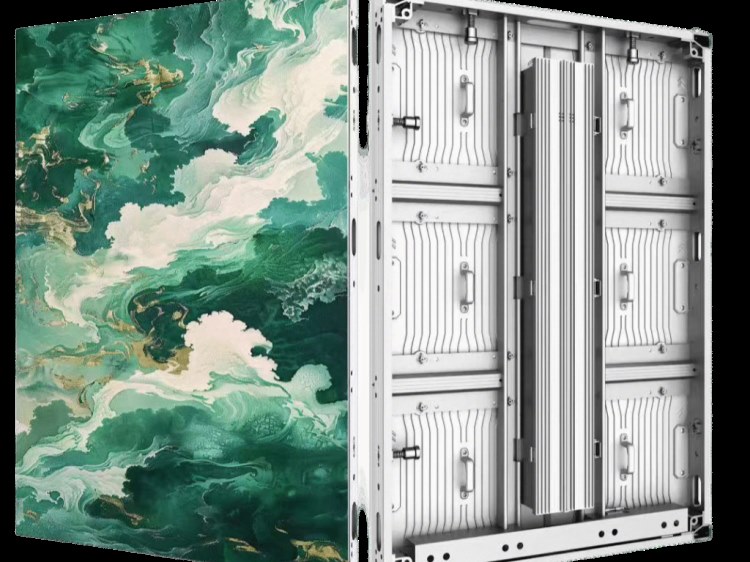
Aslled integrates multiple advanced engineering methods into its LED display solutions. For example, energy-saving architecture reduces power consumption while maintaining high brightness performance. In addition, ultra-light and thin cabinet designs improve installation flexibility. Meanwhile, high-protection structures ensure stability in long-term outdoor use. Therefore, Aslled systems demonstrate how modern LED engineering achieves both durability and efficiency.
Conclusion
In conclusion, waterproofing and long-term stability in LED systems depend on multiple engineering factors. A professional outdoor LED display factory achieves reliability through structural sealing, thermal control, energy efficiency, and modular maintenance design. Moreover, Aslled P5.7 Outdoor LED Display Screen demonstrates how advanced materials and optimized architecture ensure stable performance in harsh environments. Therefore, modern outdoor LED systems can deliver long-lasting, stable, and efficient operation even under continuous outdoor exposure.