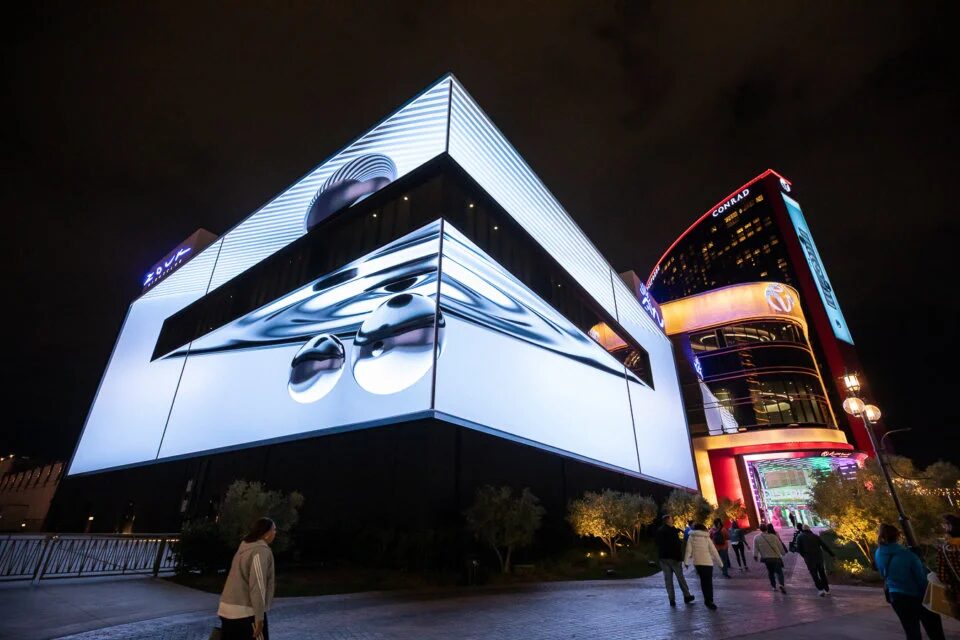
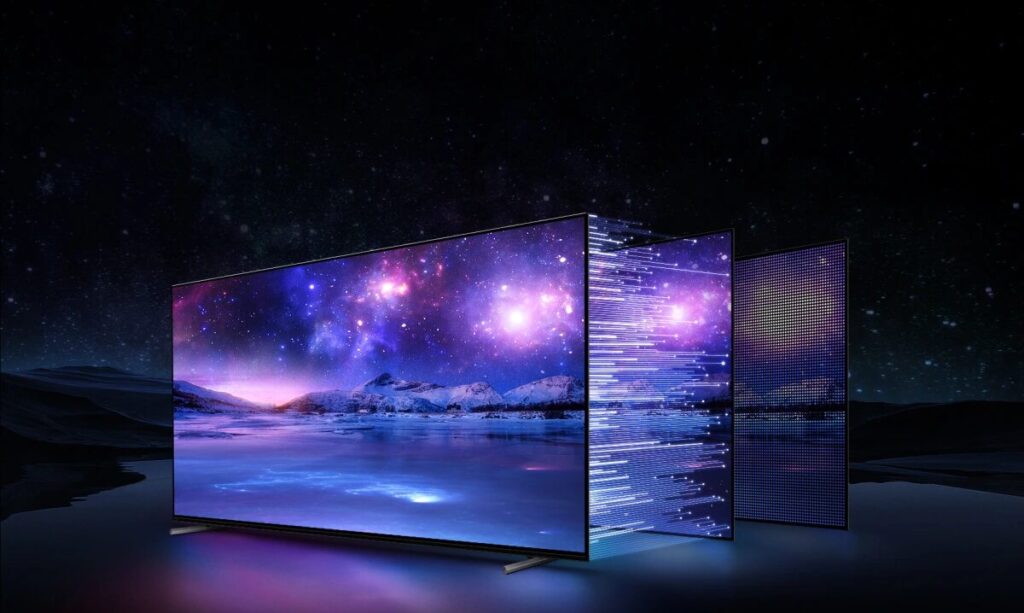
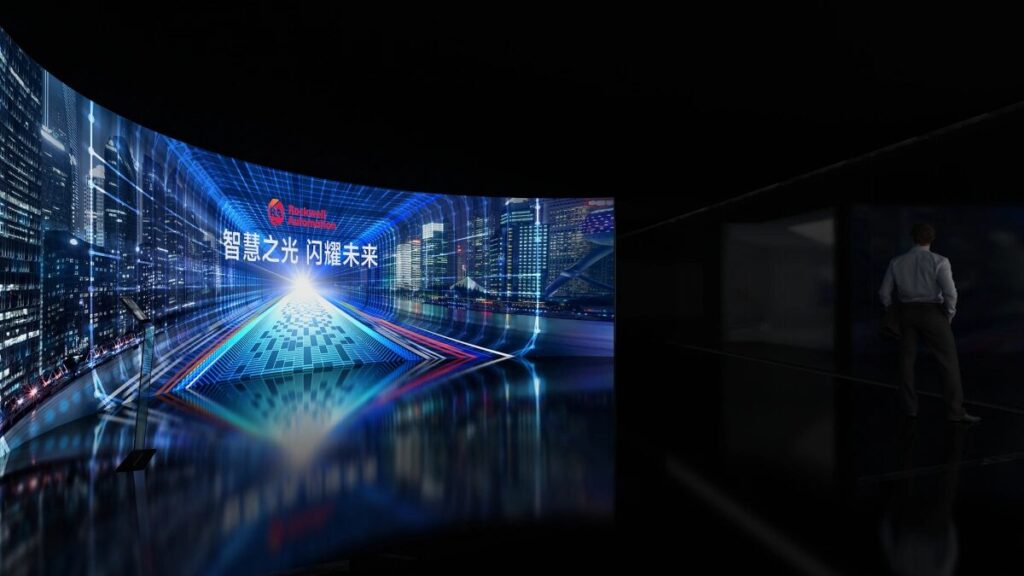
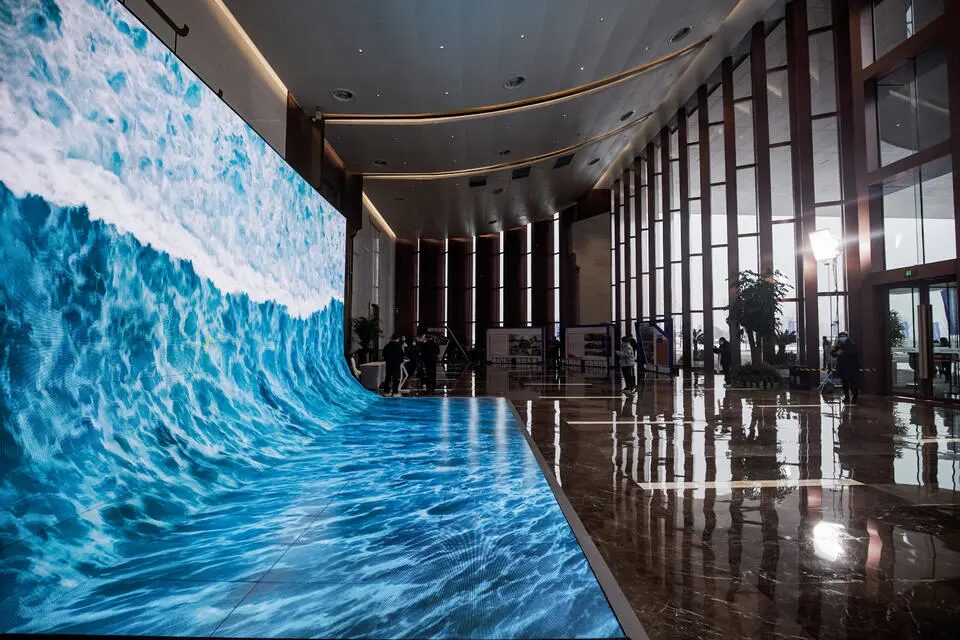
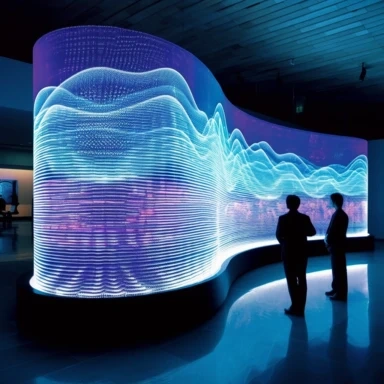
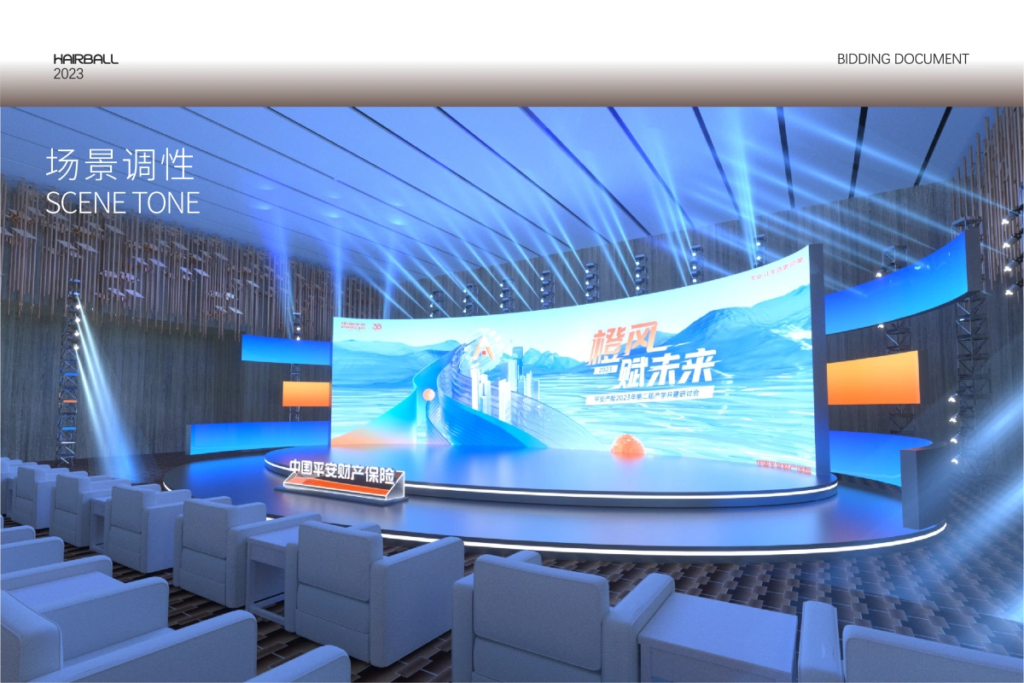
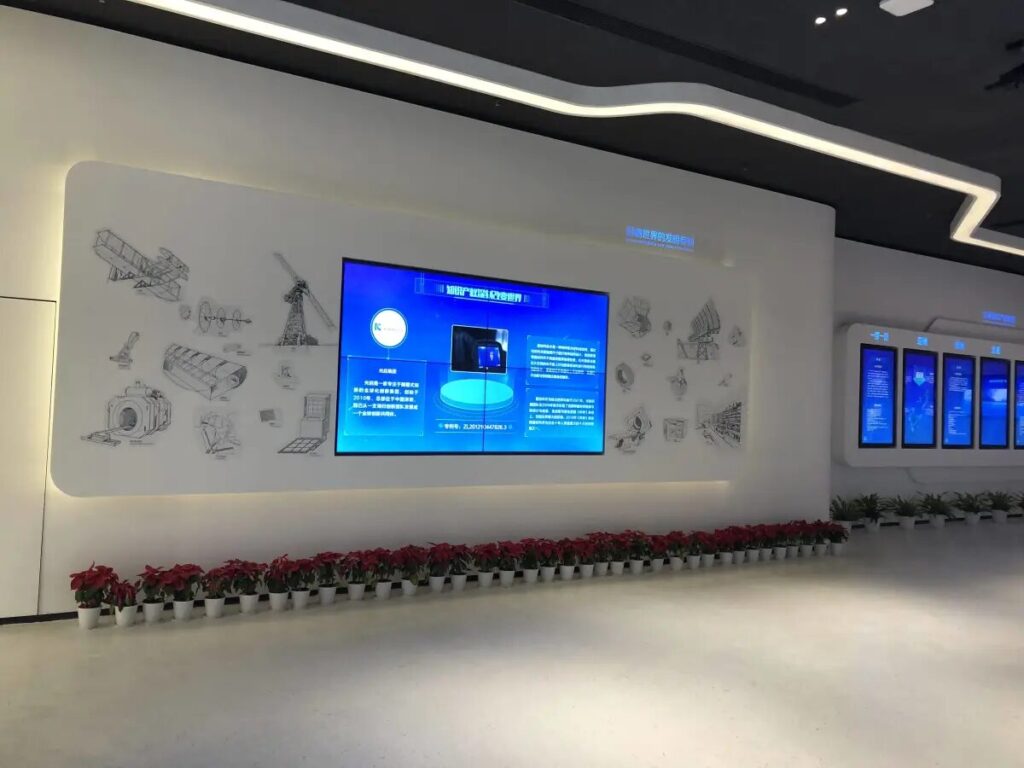
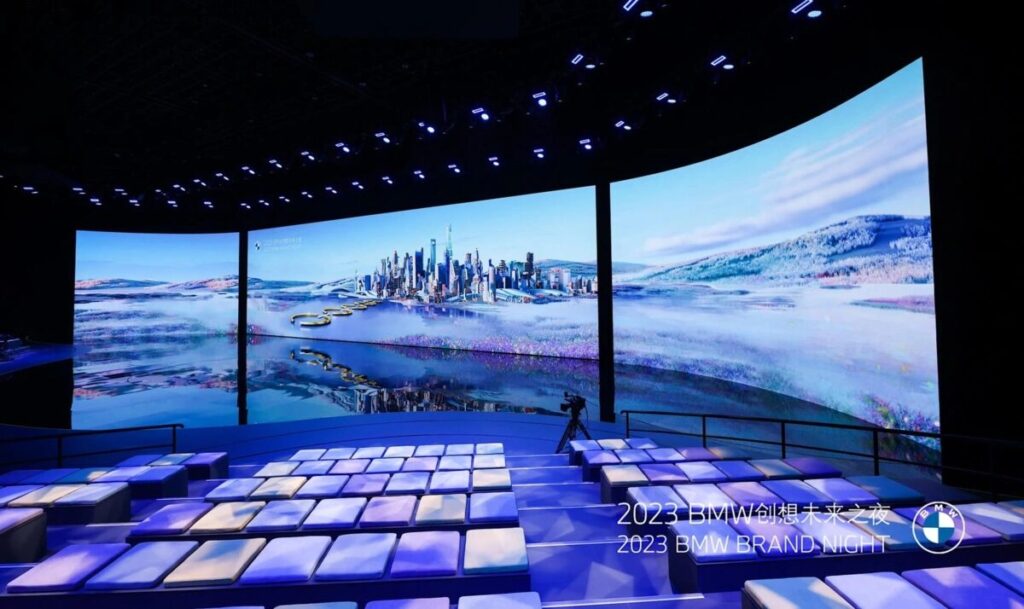
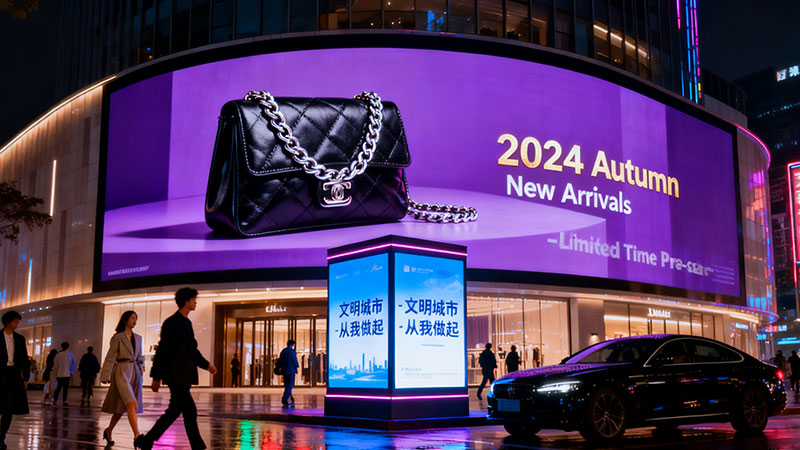
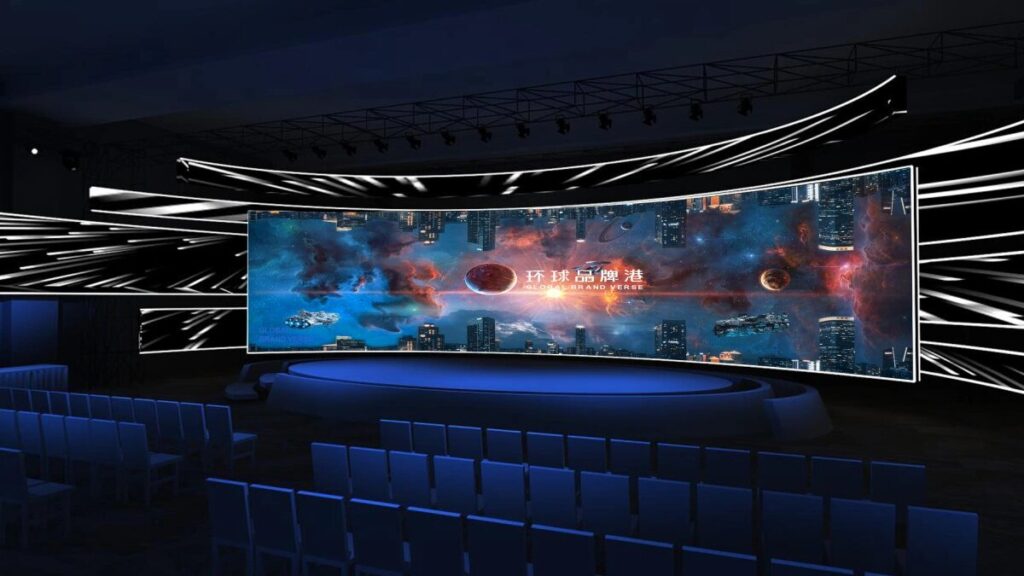




Custom-shaped LED screens bring new creative possibilities to concerts, exhibitions, weddings, and commercial events. However, unlike conventional rectangular displays, irregular screen structures require more careful planning during installation and rigging. Factors such as cabinet weight, connection strength, load distribution, and installation accuracy can directly affect overall stability. Therefore, understanding how to prevent structural instability is essential when designing and installing a custom shape rental LED display for temporary events.
Why Structural Stability Matters for Custom-Shaped LED Displays
Traditional LED screens usually adopt regular rectangular layouts, making their installation and structural support relatively straightforward. In contrast, creative configurations such as circular, heart-shaped, arched, and triangular screens often involve different cabinet angles and connection points. As a result, uneven weight distribution or improper splicing may create additional stress on specific sections of the structure.
For rental applications, these challenges become even more important because screens are frequently assembled, disassembled, transported, and reused at different venues. If the rigging structure is not properly designed, repeated installation may increase the risk of loose connections or cabinet misalignment. Consequently, event organizers and installation teams should evaluate structural requirements before selecting an irregular LED display for their projects.
1. Choose Strong Cabinet Materials and Reliable Connections
Cabinet construction is one of the most important factors affecting installation stability. Die-cast aluminum cabinets offer a combination of structural strength, lightweight construction, and dimensional consistency. Compared with heavier cabinet materials, this design helps reduce the overall handling burden while maintaining a reliable framework for temporary installations.
In addition, fast-lock connectors can improve assembly efficiency and help maintain consistent connections between adjacent cabinets. However, installers should never rely on locking mechanisms alone to support an entire suspended structure. Instead, they should follow the manufacturer’s installation guidelines and use appropriately engineered support frames, rigging hardware, and safety attachments.
When evaluating a rental display, consider the following structural features:
-
Cabinet material: Lightweight die-cast aluminum helps balance strength and transportation convenience.
-
Connection design: Fast-lock systems support efficient assembly and consistent cabinet alignment.
-
Cabinet dimensions: Common 500 × 500 mm and 500 × 1000 mm options provide flexibility for different layouts.
-
Auxiliary cabinets: Specialized corner, triangular, fan-shaped, and 45-degree bevel cabinets support more complex configurations.
2. Calculate Load Distribution Before Custom Rigging
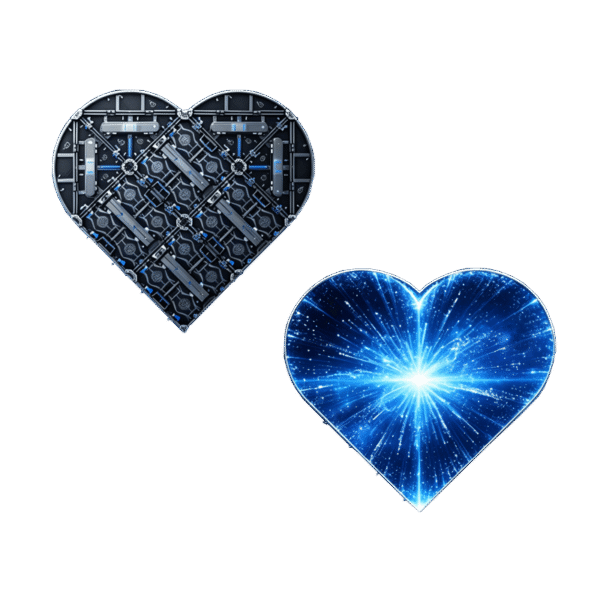
Uneven load distribution is a common cause of instability in creative LED installations. For example, a heart-shaped screen may have different widths and weight concentrations across its upper and lower sections. Similarly, an arched structure may require additional consideration of connection angles and supporting points.
Therefore, installation teams should calculate the total screen weight, supporting structure weight, and additional loads before selecting a rigging solution. They should also consider the venue’s suspension capacity, wind exposure for outdoor installations, and potential dynamic forces during transportation or event operation. For overhead installations, qualified structural engineers should verify the complete load path, lifting points, and safety factors rather than relying on cabinet specifications alone.
| Structural factor | Potential risk | Recommended approach |
|---|---|---|
| Uneven cabinet distribution | Localized stress and deformation | Calculate loads across the entire structure |
| Insufficient support points | Excessive bending or movement | Use an engineered support frame |
| Weak connections | Cabinet separation or misalignment | Check locks and secondary safety systems |
| Outdoor wind exposure | Increased lateral forces | Assess wind loads and secure the structure |
| Repeated assembly | Connection wear | Inspect hardware before each installation |
3. Select the Right Cabinet Configuration for Creative Shapes
The cabinet configuration directly influences the stability and appearance of a custom screen. Although standard rectangular cabinets provide a practical foundation, they cannot always create smooth curves or complex artistic outlines. Consequently, specialized auxiliary cabinets are useful for building irregular structures while maintaining more consistent connections between different sections.
A creative LED display may combine standard cabinets with fan-shaped, triangular, corner, and bevel cabinets to achieve the desired visual effect. For instance, a Christmas-tree-shaped screen requires carefully arranged cabinet sections to create its recognizable outline. A 6mm Christmas tree LED display can serve as a creative holiday installation, while appropriate structural supports help maintain alignment throughout the event.
However, designers should avoid forcing standard cabinets into unsuitable angles. Instead, they should develop the cabinet layout according to the intended shape, connection positions, and supporting requirements. This approach helps reduce unnecessary mechanical stress and makes installation more predictable.
4. Improve Installation Accuracy and On-Site Inspection
Even a well-designed cabinet system can experience stability problems if installers overlook basic assembly procedures. Before installation, teams should inspect cabinet frames, fast-lock connectors, rigging accessories, and electrical connections for visible damage. Furthermore, they should verify that the supporting structure is level and that all cabinets are positioned according to the approved installation drawings.
For a custom shape rental LED display, installation accuracy is particularly important because irregular outlines can make small alignment errors more noticeable. A practical inspection process should include:
-
Pre-installation inspection: Check cabinet dimensions, locking components, and supporting hardware.
-
Layout confirmation: Compare the actual cabinet arrangement with the approved structural drawings.
-
Connection verification: Confirm that all mechanical connections and safety attachments are properly secured.
-
Structural inspection: Have qualified personnel verify the completed rigging before the display is operated.
-
Post-event maintenance: Inspect connection components for wear or deformation before transportation and reuse.
These procedures help identify potential problems early. More importantly, they establish a repeatable workflow for rental companies handling different screen configurations and event locations.
5. Work with an Experienced Rental LED Display Manufacturer
Choosing an experienced rental LED display manufacturer can simplify the planning process, particularly when a project involves unusual screen shapes or complex installation conditions. A qualified manufacturer should provide clear cabinet specifications, connection details, installation instructions, and technical support. In addition, the manufacturer should understand how different cabinet configurations affect transportation, assembly, and structural requirements.
For a custom shape rental LED display, technical communication should begin during the design stage rather than after the cabinets arrive at the venue. Sharing the intended screen shape, dimensions, installation environment, and rigging arrangement allows the manufacturer and engineering team to evaluate potential challenges earlier.
Aslled provides special-shaped rental LED cabinet options with 500 × 500 mm and 500 × 1000 mm cabinet sizes, multiple pixel pitches, and indoor and outdoor configurations. Its die-cast aluminum cabinet design and fast-lock structure support convenient installation for concerts, exhibitions, stage performances, and other temporary events. Additionally, a three-year warranty provides product support for different project requirements.

Conclusion
Preventing structural instability in custom LED installations requires more than selecting lightweight cabinets or convenient locking systems. Instead, successful projects depend on appropriate load calculations, compatible cabinet configurations, reliable mechanical connections, and professional installation inspections. By addressing these factors from the beginning, event organizers and rental companies can reduce installation risks while achieving more ambitious creative screen designs. Whether the project involves an arched backdrop, a heart-shaped installation, or a Christmas-themed stage, careful structural planning helps ensure that the display remains properly supported throughout the event. With suitable cabinet designs and technical guidance from Aslled, rental teams can explore creative screen layouts while maintaining a strong focus on installation safety and reliability.