
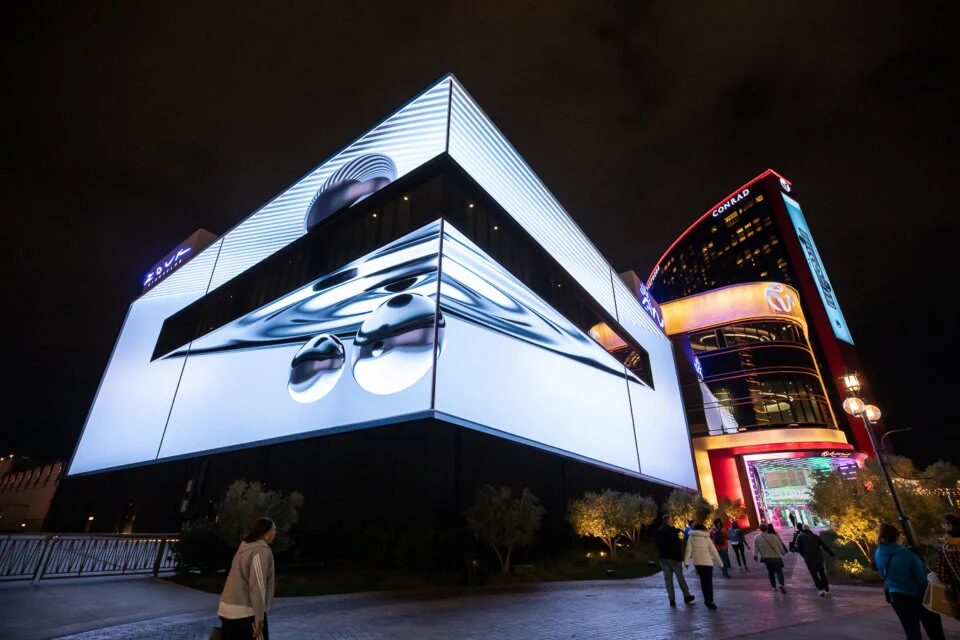
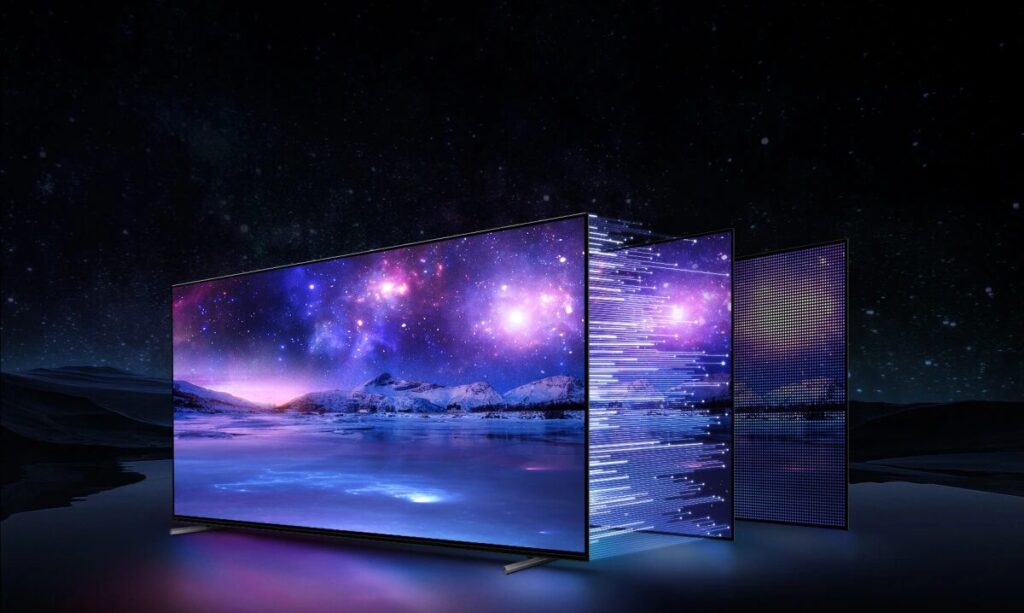







In modern LED display systems, visual performance depends heavily on accurate and stable data transmission. When signal quality degrades, it directly affects brightness consistency, color accuracy, and refresh stability. Therefore, maintaining LED display signal integrity is essential for achieving high-quality visual output in both indoor and outdoor applications. Aslled focuses on delivering reliable display solutions that improve system stability and reduce signal-related performance issues.
EMI Interference and Electromagnetic Noise
First of all, electromagnetic interference (EMI) is one of the most common sources of signal distortion in LED display systems. When high-frequency circuits operate closely together, unwanted noise couples into signal lines and disrupts data transmission. As a result, pixel errors and flickering may appear on the screen. Moreover, improper grounding design further increases sensitivity to noise. In many cases, the display signal integrity weakens significantly when shielding and layout optimization are not properly implemented.
Crosstalk Between Adjacent Signal Paths
In addition, crosstalk becomes a serious issue in high-density LED display designs. When signal traces run too close to each other, electromagnetic coupling causes interference between adjacent channels. Consequently, timing errors and color distortion may occur across display modules. Furthermore, as pixel density increases, routing space becomes limited, which makes signal separation more challenging. Therefore, maintaining LED display signal integrity requires careful PCB layout and optimized trace spacing.
Signal Reflection and Impedance Mismatch
Moreover, impedance mismatch between transmission lines and driver circuits leads to signal reflection. This reflection distorts waveform quality and reduces data accuracy. As a result, LED panels may show ghosting effects or unstable image output. In addition, long-distance signal transmission increases reflection severity. Therefore, controlled impedance design becomes essential to preserve stable LED display signal integrity across large-scale display systems.
Power Noise and Voltage Instability
Furthermore, an unstable power supply introduces additional noise into signal pathways. When voltage fluctuates, driver IC performance becomes inconsistent, which affects data accuracy and display brightness uniformity. Consequently, overall system stability decreases. In high-power LED applications, separating power and signal lines helps reduce interference and improve reliability. Otherwise, the LED display signal integrity can degrade under load variation conditions.
PCB Design and Routing Challenges
In addition, PCB routing design plays a critical role in signal quality control. Poor layout increases loop area and enhances electromagnetic coupling between circuits. Therefore, engineers must carefully optimize trace length, grounding structure, and return paths. Aslled applies advanced design practices to improve signal routing efficiency and minimize interference risks in complex LED display systems.
Temperature Effects on Signal Performance
Moreover, thermal variation also impacts signal transmission stability. As temperature changes, material properties such as resistance and dielectric constant fluctuate, which affects impedance consistency. Over time, this leads to unstable signal behavior and display inconsistencies. Therefore, thermal management becomes an important factor in maintaining long-term LED display signal integrity in industrial environments.
Conclusion: Achieving Reliable Display Performance
In conclusion, signal distortion in LED displays mainly results from EMI, crosstalk, impedance mismatch, power noise, and thermal effects, all of which can gradually degrade image stability and overall system performance if not properly managed. However, with precise engineering design, optimized PCB layout, and well-controlled system architecture, these issues can be effectively minimized and even prevented at the source. Careful attention to signal routing, grounding structure, and power isolation further enhances transmission stability, especially in high-resolution and long-distance display applications. Aslled provides advanced LED display solutions that integrate robust signal integrity design principles, helping maintain stable performance, improve signal reliability, and ensure consistent, high-quality visual output even in complex and demanding operating environments such as outdoor advertising, control centers, and large-scale commercial installations.