









1. Industry Background
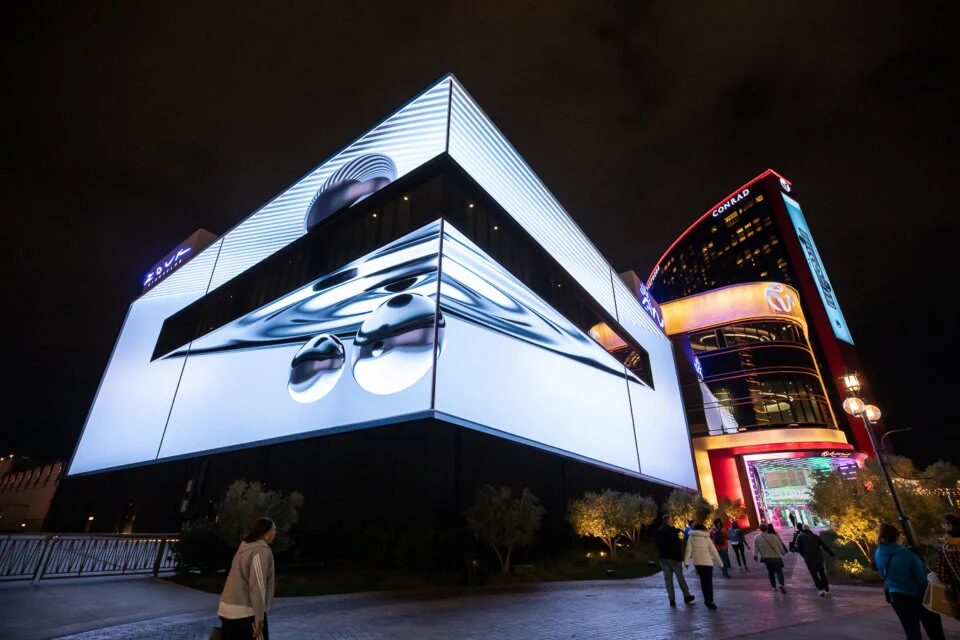
Modern stadiums have evolved into highly digital sports venues where visual systems play a central role in operations and commercial performance. The stadium LED display screen now functions as a core communication infrastructure that supports live events, audience engagement, and advertising delivery. A professional sports LED display manufacturer like Aslled designs systems specifically for outdoor stadium environments where brightness and visibility determine overall performance.
2. Outdoor Visibility Requirements
Stadium environments create highly variable lighting conditions. Events take place under strong sunlight, night lighting systems, and changing weather conditions that directly affect screen visibility.
A sports LED screen must maintain clear image performance in all environments. High brightness ensures that audiences can clearly see scores, advertisements, and live content even at long distances and under direct sunlight. Without sufficient brightness, visual performance drops significantly in outdoor applications.

3. Functional Role in Stadium Operations
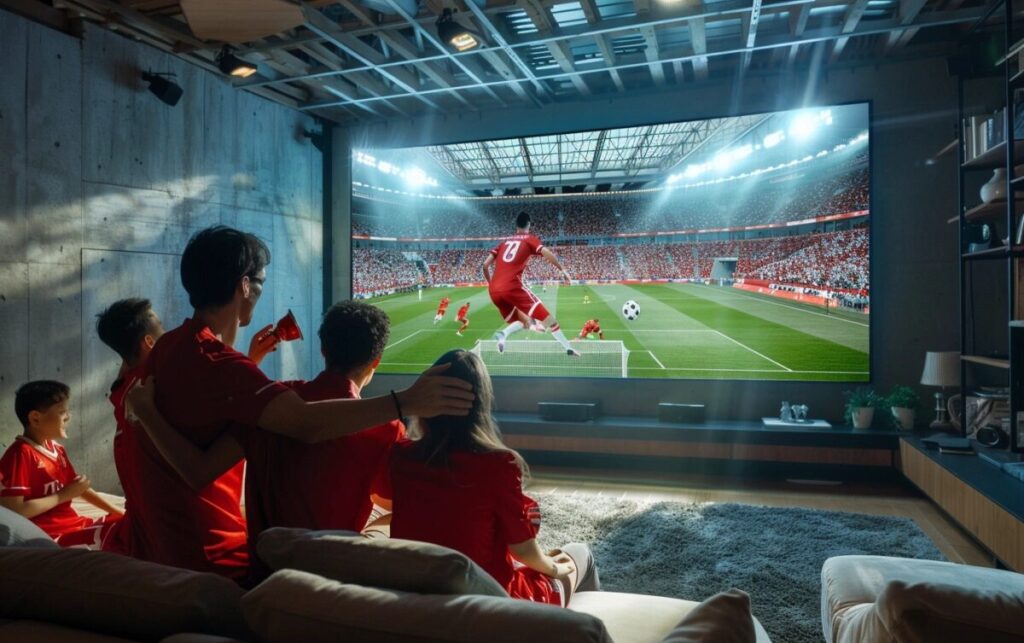
A sports LED display system serves as the central information hub in modern stadiums. It delivers live match data, replay content, player statistics, and event announcements in real time.
During sports events, stadium operators rely on the LED system to communicate instantly with audiences. This improves event flow, enhances audience engagement, and supports smooth broadcasting operations. The stadium LED display screen therefore becomes an essential part of stadium functionality rather than a supplementary device.
4. Commercial Advertising Value
Stadium LED systems also drive commercial value through advertising. Sponsors depend on high visibility to maximize brand exposure during live events.
A sports LED display delivers consistent advertising visibility across different lighting conditions. High brightness ensures that perimeter advertising, sponsorship content, and digital campaigns remain effective during daytime matches, night games, and live broadcasts. This directly improves advertising return on investment for stadium operators and sponsors.
5. Engineering and Structural Design
Stadium environments require durable and stable display systems that can operate under continuous outdoor stress. Aslled designs its sports LED display screen with a high-strength steel cabinet structure that increases impact resistance and ensures long-term stability.
The system also uses IP65-rated waterproof protection, which prevents water and dust from affecting performance during heavy rain or harsh weather conditions. This engineering design supports both fixed installations and rental or perimeter display applications in stadium environments.

6. System Flexibility and Application Scenarios
A professional sports LED display manufacturer must support multiple deployment scenarios to meet different stadium requirements. Aslled systems work in fixed installations for permanent stadium setups, rental configurations for temporary events, and perimeter advertising systems for commercial use.
This flexibility allows stadium operators to deploy the same display technology across football matches, basketball games, concerts, and international sporting events without changing the core system architecture.
7. Operational Stability Requirements
Stadium LED systems must maintain stable performance during long-duration events. A reliable sports LED screen ensures consistent brightness output, efficient thermal control, and continuous operation under high load conditions.
Stable system performance reduces downtime, supports uninterrupted broadcasting, and maintains smooth event execution throughout the entire operation cycle of the stadium.

Conclusion:
High brightness defines the performance standard of any stadium LED display screen because it directly affects visibility, advertising effectiveness, and operational reliability.
A professional sports LED display system must deliver stable performance in complex outdoor environments while supporting both communication and commercial requirements.
With Aslled’s engineering advantages—including high-strength steel cabinet construction, IP65 waterproof protection, and flexible deployment options for fixed, rental, and perimeter installations—stadiums achieve a reliable and scalable visual system.
In modern sports infrastructure, LED display systems function as core operational equipment that supports communication, revenue generation, and audience experience.